Wellness Begins Early
Pediatric Chiropractic Care
Gentle Support for Growing Bodies
Children experience constant change as they grow, move, and explore the world. From birth to early development, the body undergoes rapid changes that can impact spinal alignment, posture, and nervous system function. Pediatric chiropractic care offers a gentle, natural way to support healthy development and overall well-being in infants, toddlers, and children.
Gentle, Age-Appropriate Adjusting Techniques
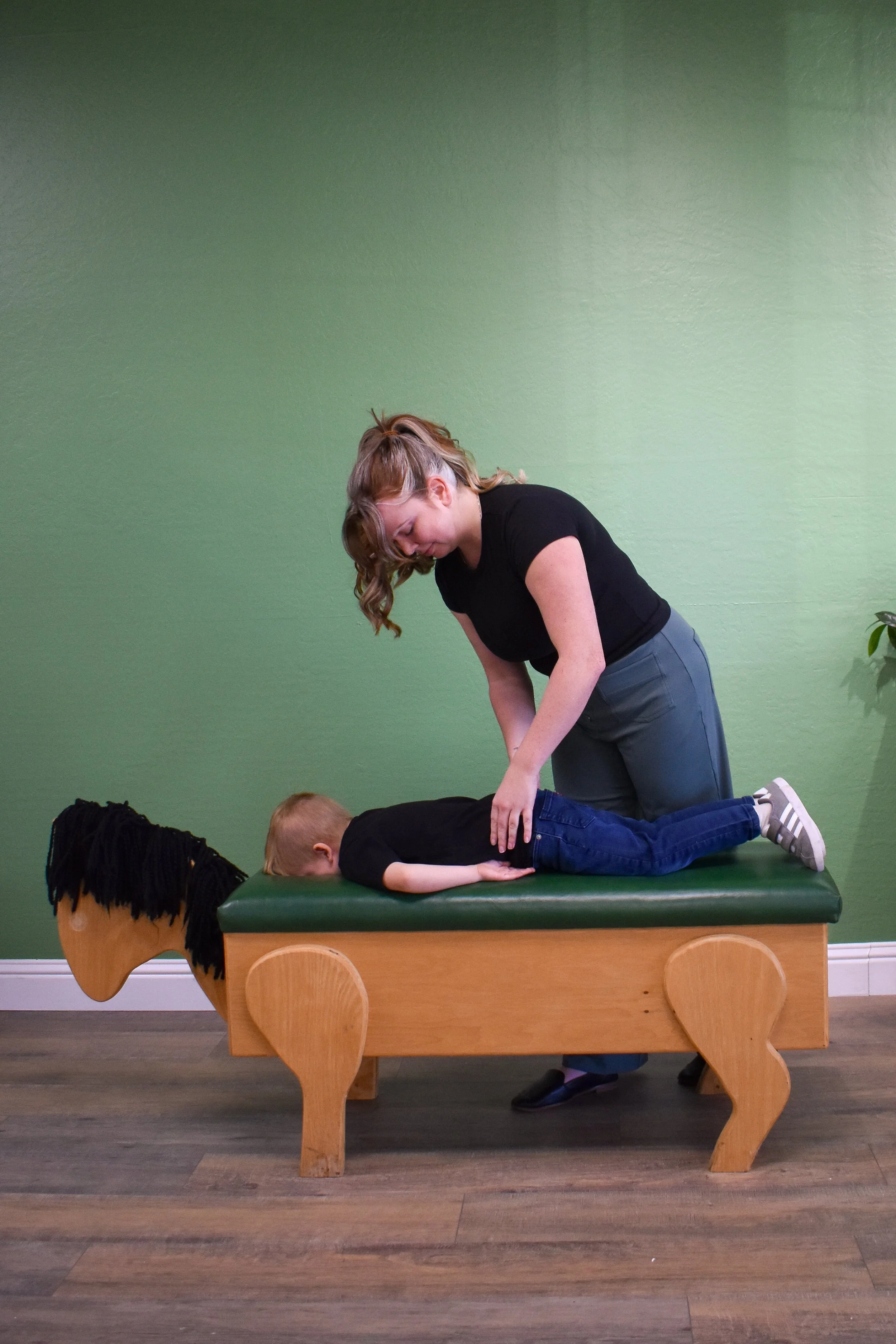
Chiropractic care for children is not the same as care for adults. Pediatric adjustments use very low-force, specific techniques tailored to a child’s size, age, and stage of development. In infants and young children, adjustments are often performed with the light pressure you'd use to test the ripeness of a tomato—gentle, safe, and effective.
Our approach prioritizes comfort and safety while helping restore balance to the spine and nervous system. Many babies and children find adjustments soothing and even relaxing.
Early Traumas and Developmental Milestones
Even in early life, children experience physical stress. The birth process—whether natural or assisted—can place pressure on an infant’s spine and cranium. As babies grow, they roll, crawl, fall, and stumble while learning to walk, all of which can create small misalignments or tension in developing joints.
Chiropractic care helps correct these imbalances early, supporting healthy biomechanics during key growth milestones. Addressing these issues early on can prevent compensation patterns and support better posture, coordination, and comfort.
The Positive Impact of Chiropractic on Children
As chiropractic care is increasing the function of the nervous system, parents often report improvements in their child’s sleep, digestion, mood, and immune function after chiropractic care. By supporting the nervous system—the master controller of the body—chiropractic adjustments may influence a variety of functions beyond musculoskeletal health.
Some commonly observed benefits include:
Improved latch and nursing in infants
Reduction in colic or digestive upset
Better sleep patterns
Fewer ear infections
Increased calmness and focus
Every child is different, and chiropractic care is individualized to their unique needs.
Growing Up Healthy and Aligned
Chiropractic care supports children through every phase of growth—from infancy to adolescence. By promoting spinal health and proper nervous system function, we’re helping lay a strong foundation for lifelong wellness.
Whether your child is experiencing discomfort, recovering from injury, or just needs a wellness check-in, pediatric chiropractic care can be a powerful, preventative tool on their path to optimal health.
Ready to Support Your Child’s Health?
If you’re curious about how chiropractic care can benefit your child, we’d love to connect with you. Contact us to schedule a consultation or learn more about our gentle approach to pediatric care.
Appointments Available Daily
Cranial-Sacral Technique
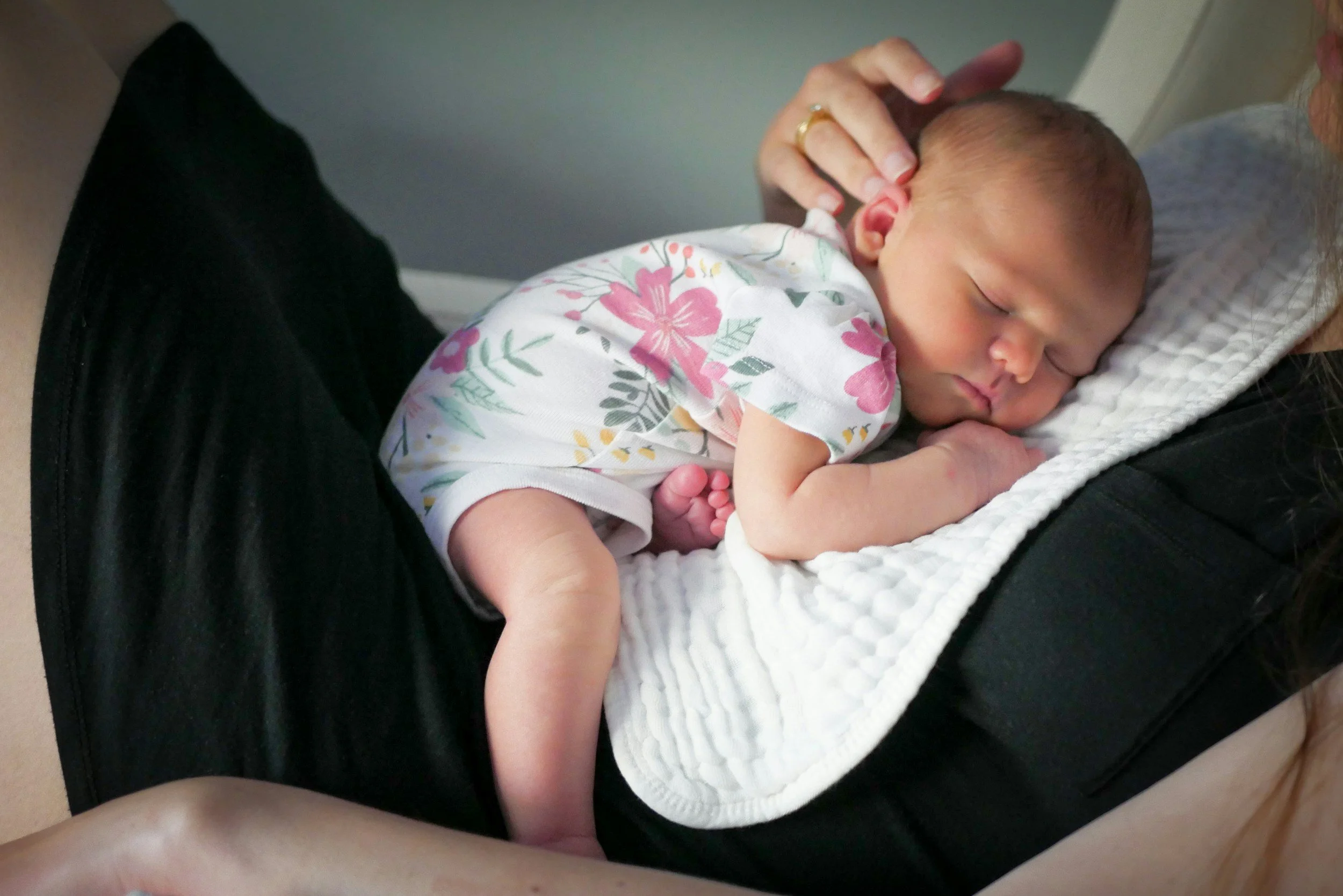
Craniosacral therapy (CST) is a gentle, hands-on technique that supports the central nervous system by relieving tension in the membranes and fluid surrounding the brain and spinal cord. It is especially beneficial for newborns and infants, whose cranial bones and nervous systems are still developing and highly responsive to subtle touch.
During birth—especially long labors, C-sections, or use of forceps or vacuum extraction—babies may experience compressive forces that affect the alignment of cranial bones and soft tissues. These subtle restrictions can contribute to challenges such as:
Nursing or latch difficulties
Colic or excessive fussiness
Reflux and digestive issues
Torticollis or head preference
Irregular sleep patterns
Craniosacral therapy uses extremely light pressure, often no more than the weight of a nickel, to help release these restrictions and promote natural balance and relaxation. Treatments are calming and often soothing for infants, with many falling asleep during or shortly after care.
When combined with gentle chiropractic adjustments, craniosacral therapy offers a powerful way to support your baby’s early development, comfort, and nervous system function—naturally and safely.