Back Pain Isn’t Normal.
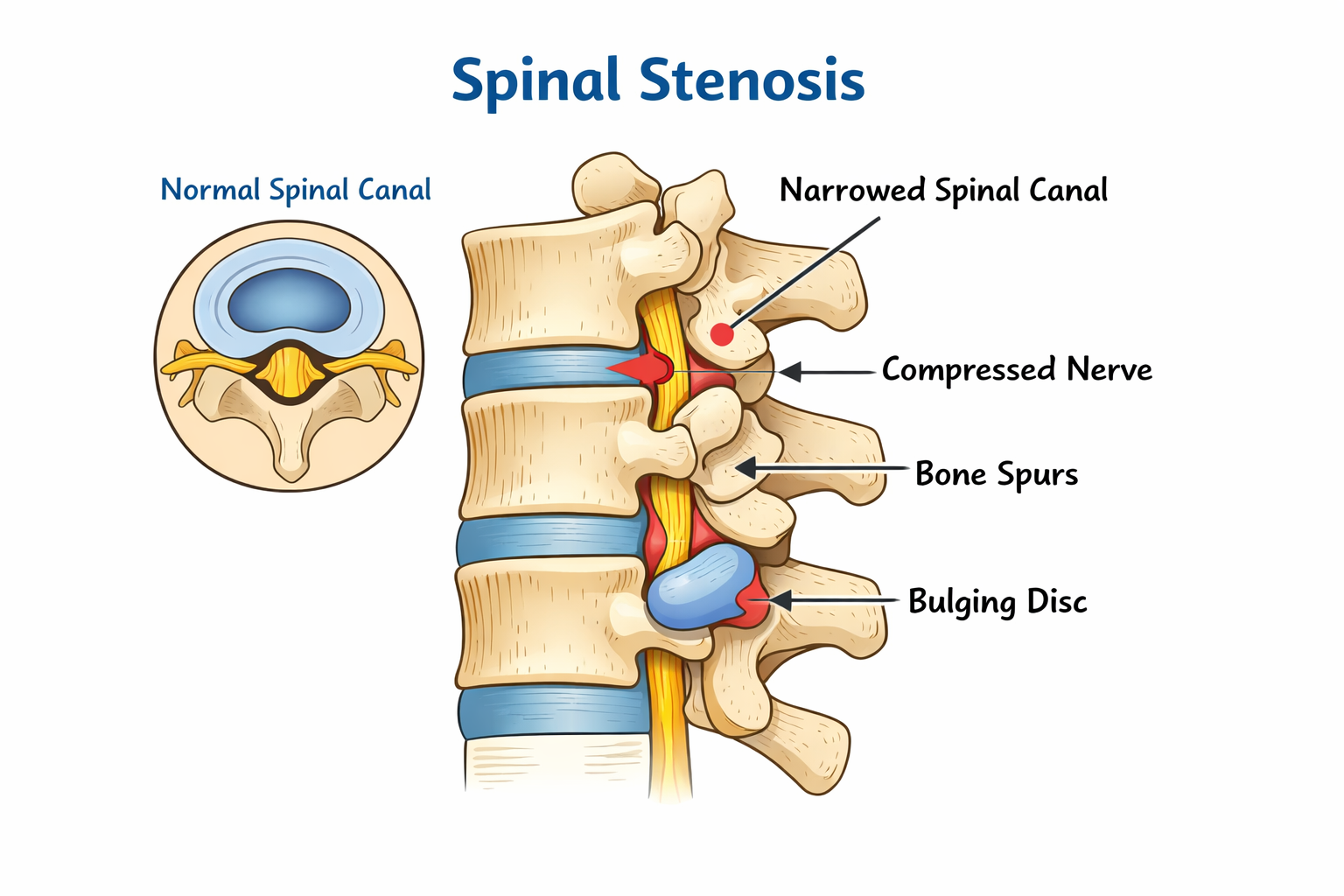
Spinal Stenosis
Spinal stenosis occurs when the spaces within the spine become narrowed, placing pressure on the nerves that travel through the spinal canal. This condition most commonly affects the lower back and can lead to symptoms such as pain, numbness, tingling, or weakness in the legs, especially when standing or walking for long periods. Over time, age-related changes like disc degeneration, bone spurs, and thickened ligaments can contribute to this narrowing. Proper evaluation and conservative care can often help reduce pressure on the affected nerves and improve mobility and comfort.
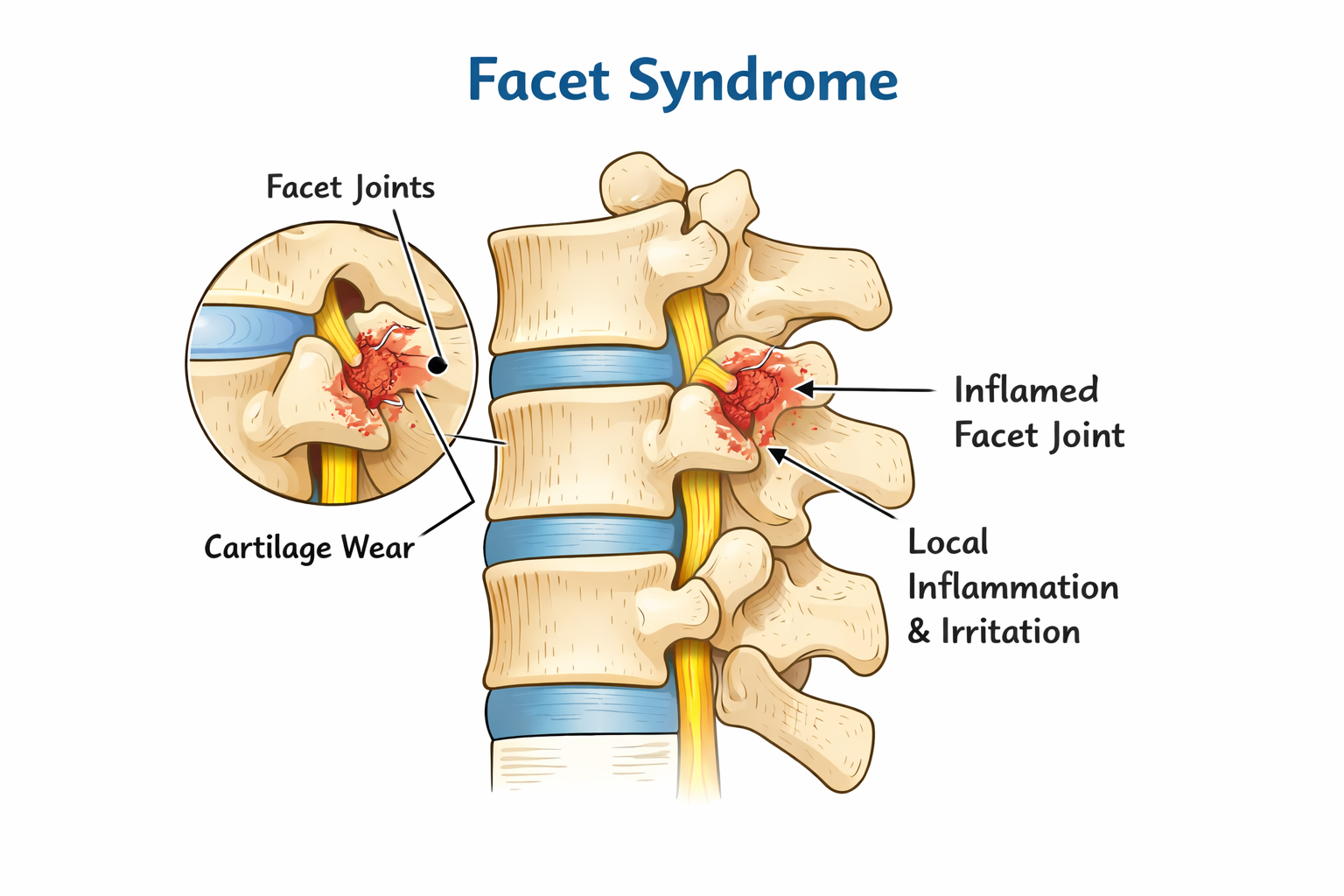
Facet Syndrome
Facet syndrome refers to irritation or inflammation of the small joints located between each vertebra in the spine, called facet joints. These joints allow the spine to bend, twist, and move smoothly. When they become inflamed due to repetitive stress, injury, arthritis, or poor mechanics, they can cause localized back pain and stiffness, particularly with movements like twisting or leaning backward. The discomfort is often felt on one side of the spine and may worsen after prolonged standing or activity.
Disc Herniation
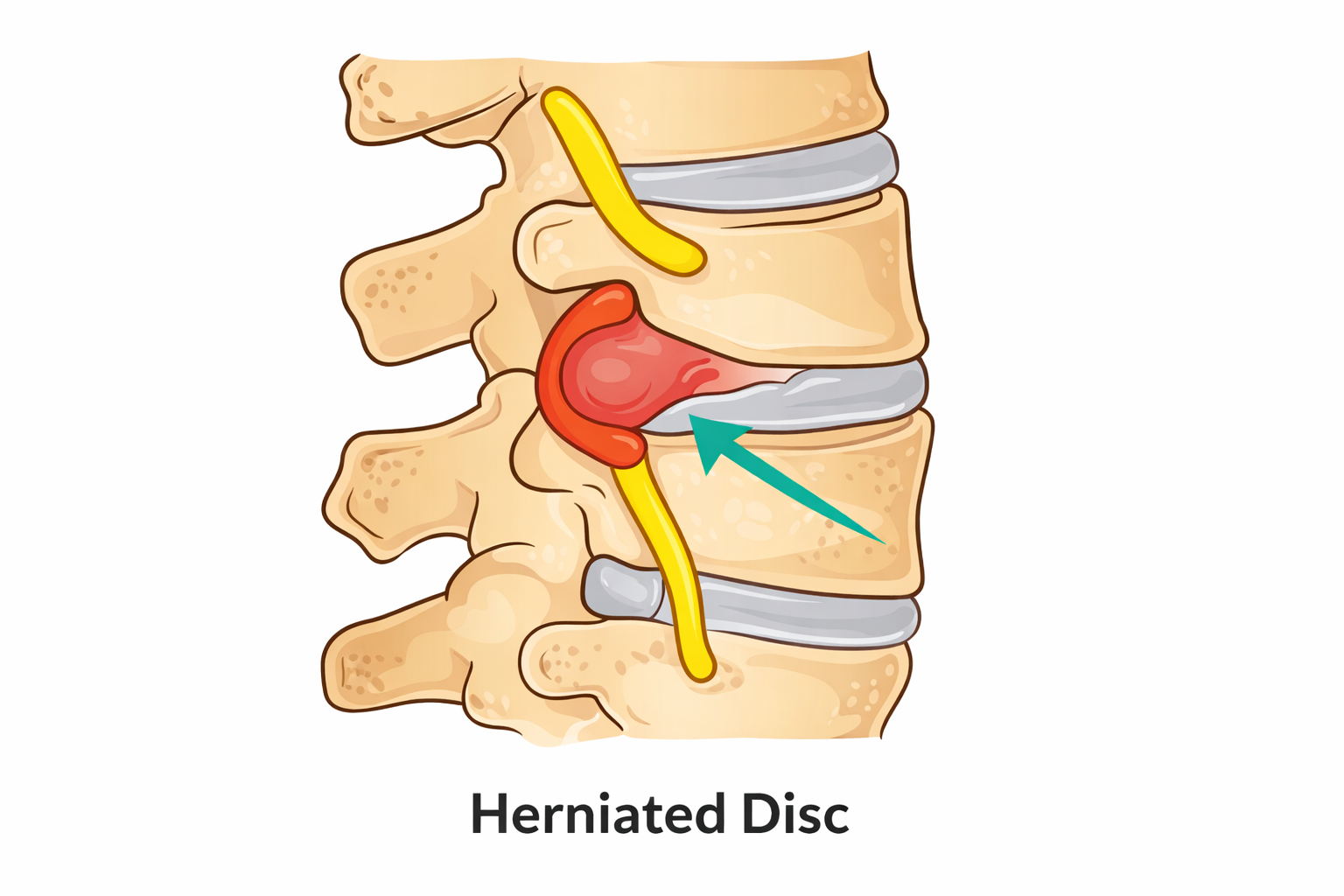
A disc herniation occurs when the soft inner portion of an intervertebral disc pushes through the tougher outer layer. Because these discs act as cushions between the vertebrae, a herniation can place pressure on nearby nerves and lead to pain, numbness, tingling, or weakness in the back, arms, or legs depending on the location of the affected disc. Herniated discs are often associated with lifting injuries, repetitive strain, or gradual wear over time. Early care can help reduce inflammation and support the spine while it heals.
Muscle Spasm
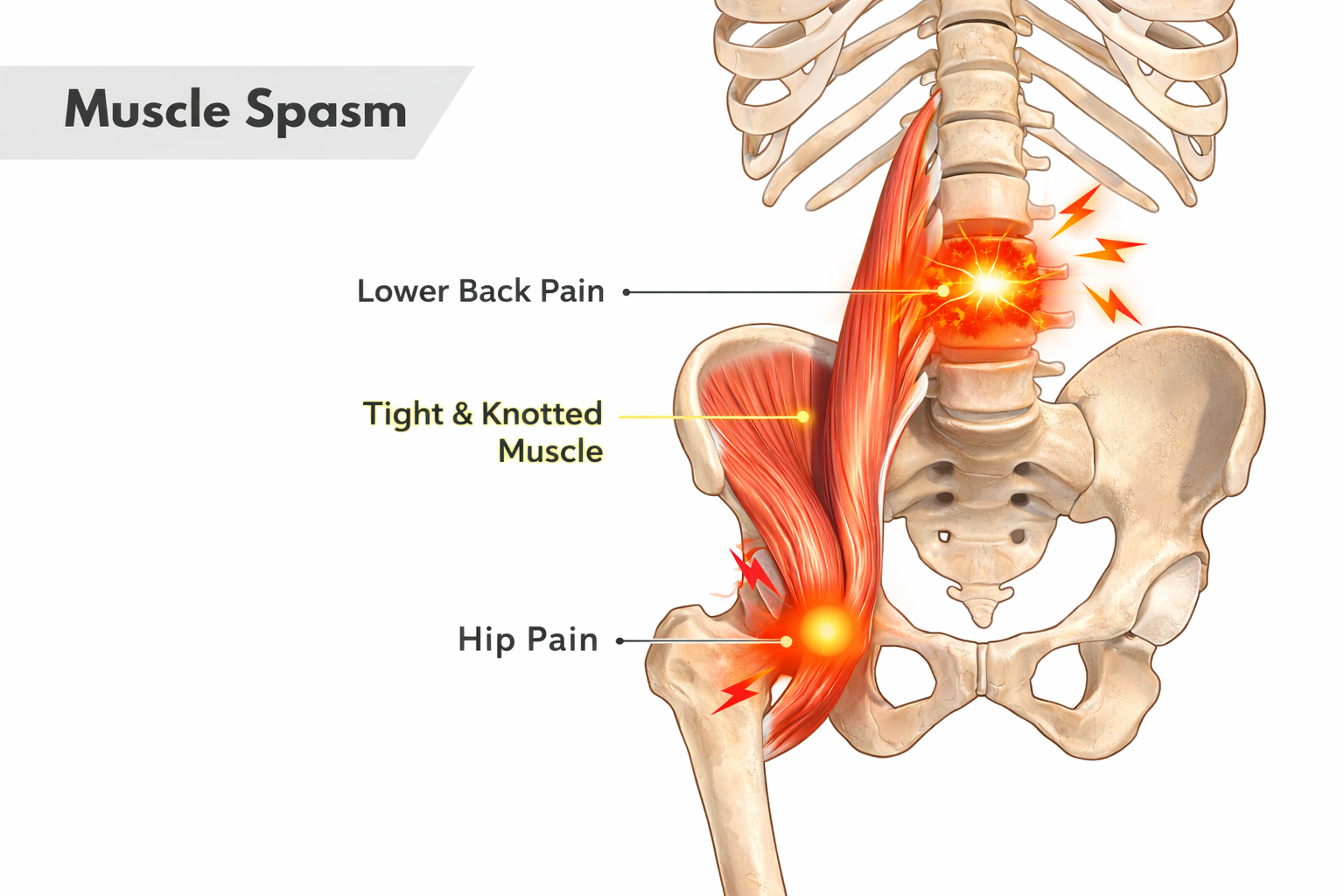
A muscle spasm in the back occurs when muscle fibers suddenly contract and tighten involuntarily. This can happen due to injury, overuse, poor posture, dehydration, or as the body’s protective response to an underlying spinal issue. Muscle spasms often cause sharp pain, stiffness, and limited movement, making it difficult to bend or twist. While spasms can feel alarming, they are frequently the body’s way of stabilizing an irritated area until proper healing and support occur.
Posture, Anterior Pelvic Tilt, and Lower Cross Syndrome
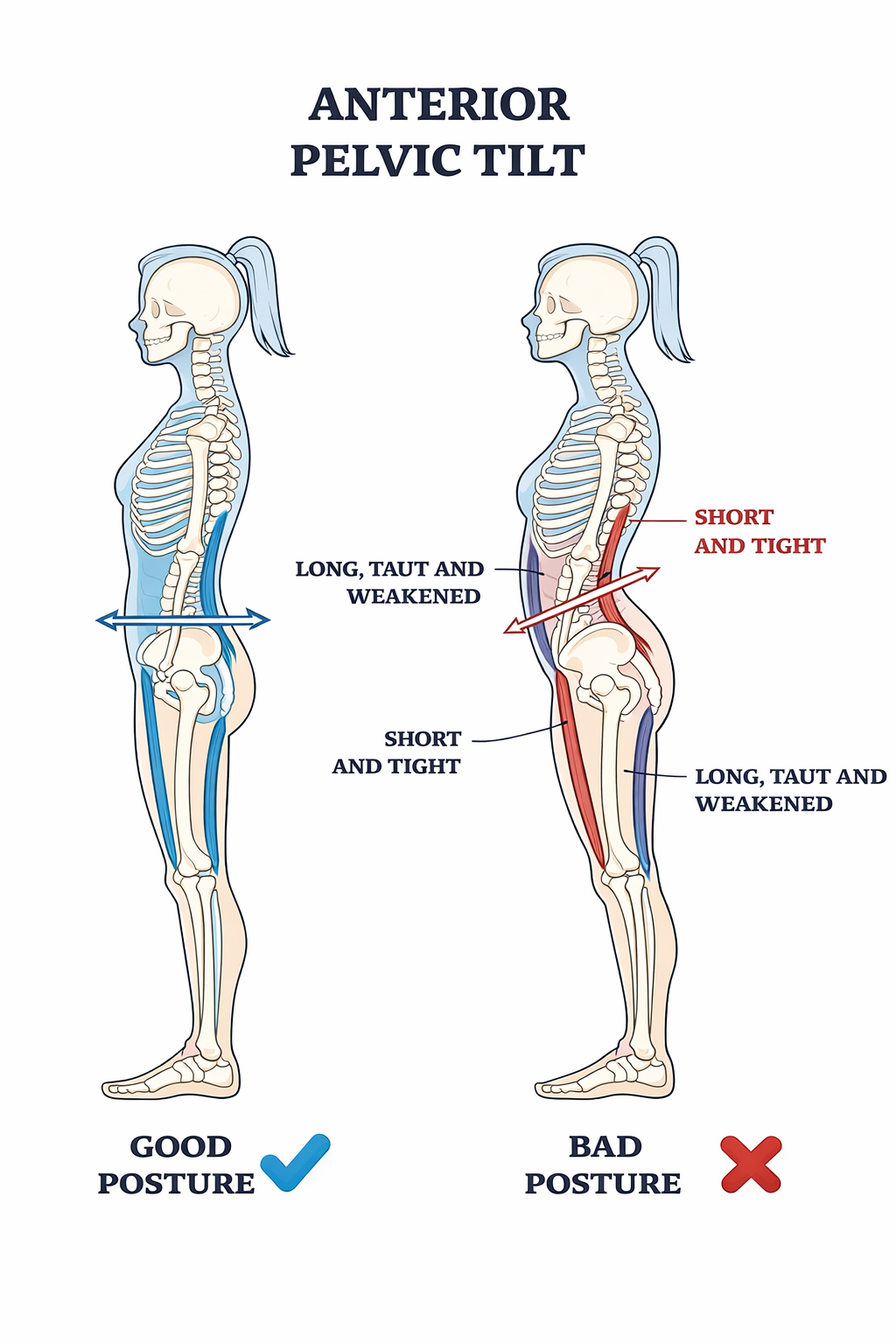
Posture plays a significant role in spinal health, and imbalances in the muscles surrounding the hips and lower back can lead to conditions such as anterior pelvic tilt and lower cross syndrome. Anterior pelvic tilt occurs when the front of the pelvis rotates downward, increasing the curve in the lower back. Lower cross syndrome describes a pattern where certain muscles become tight—such as the hip flexors and lower back—while others become weak, including the abdominals and glutes. This imbalance can place extra stress on the lumbar spine, often contributing to chronic lower back discomfort and reduced stability. Improving posture, strengthening weak muscles, and restoring proper alignment can help reduce strain on the spine and improve overall movement.
Fix the cause. Feel the difference.
Reach out to get scheduled today!
What Is Sciatica?
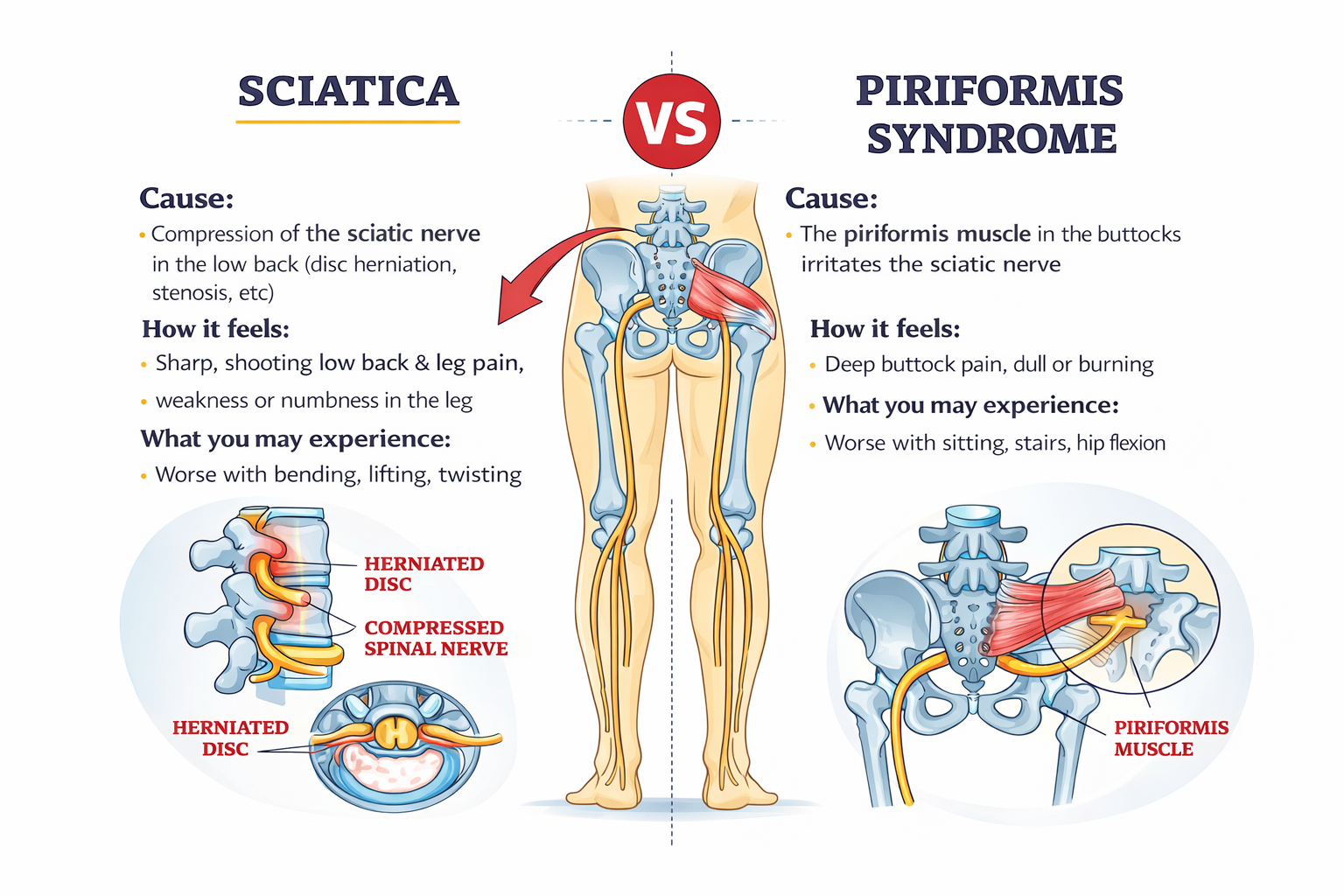
Sciatica
Sciatica is a condition caused by irritation or compression of the sciatic nerve, most commonly from issues in the low back such as a disc herniation, spinal stenosis, or joint dysfunction. It typically presents as sharp, shooting, or electric pain that starts in the low back or glute and travels down the back of the leg—often reaching the calf or even the foot. Patients may also experience numbness, tingling, or weakness. Symptoms are commonly aggravated by bending forward, lifting, twisting, prolonged sitting, or coughing/sneezing due to increased spinal pressure.
Vs
Piriformis syndrome on the other hand, originates from the piriformis muscle deep in the glute irritating the sciatic nerve outside of the spine. Pain is usually more localized to the buttock and may feel deep, aching, or burning, sometimes referring into the back of the thigh but rarely extending below the knee. It is often aggravated by prolonged sitting, climbing stairs, squatting, or hip rotation movements. Unlike true sciatica, it is more of a muscular condition rather than a spinal nerve root issue, and it often responds well to targeted soft tissue work and hip stabilization.
Piriformis
Book an Appointment
If you're interested in working with us, complete the form with a few details about your project. We'll review your message and get back to you within 48 hours.